
Exercise caution outdoors in the summer heat

This article was originally published on heart.org. View the original article by clicking here.

The higher the red line creeps up the thermometer gauge, the more red flags for outdoor exercise.

Summer temperatures shouldn’t stop you from jogging, hiking or playing sports outside – but they should alert you to the danger of heat illnesses brought on by exertion.

“Think of the heat like you think of a steep hill: Walking is good, but walking up a steep hill is much harder, so scale back the intensity and use more common sense to exercise safely,” said Dr. Clifton Callaway, a professor and executive vice chair of emergency medicine at the University of Pittsburgh.

More than 600 people die every year in the U.S. from preventable heat-related illnesses, according to the Centers for Disease Control and Prevention. An estimated 65,000 Americans visit an emergency room for acute heat illness each summer.

With global warming, those statistics could get dramatically worse. By 2099, annual heat-related deaths will increase by “thousands to tens of thousands” in the U.S. alone, according to the federal U.S. Global Change Research project.

Whether running a marathon or doing yard work, exercisers should be aware of the possibility of heat cramps, heat exhaustion and heat stroke.

Heat cramps are muscle spasms or pains, often in the legs, which can occur during intense exercise. If you get heat cramps, stop physical activity, move to a cool place and sip water or a sports drink. Get medical help if the cramps last for more than an hour, or you have heart problems or you’re on a low-sodium diet.

With heat exhaustion, signs include heavy sweating, weakness, dizziness, nausea, a fast and weak pulse, and fainting. Seek medical help if you’re vomiting, or if your symptoms last longer than an hour.

The most serious heat illness is heat stroke, a condition where the body’s temperature rises to 104 degrees or higher. Other signs can include a fast, strong pulse; confusion; and possibly losing consciousness. Call 911 right away.

“(Heat stroke) is a truly life-threatening situation,” Callaway said. “Fortunately, it’s rare.”

Prevention is the key to exercising safely in the heat. Callaway recommended drinking plenty of fluids before, during and after exercising – but not alcohol, which dehydrates the body.

How much fluid you should drink can vary.

“I could (sweat a lot) compared to you, so my fluid needs are going to be different,” said Susan Yeargin, a professor of exercise science at the University of South Carolina who has done research in thermoregulation and hydration.

“I encourage people to check their urine color, which should be light yellow. If you exercise outside and your pee is dark yellow, like apple juice, you definitely need to rehydrate.”

It’s best to wear light, loose clothing and exercise when temperatures are lower and the sun’s rays aren’t as intense, she said.

“If it’s hot or humid, avoid exercising between 10 a.m. and 5 p.m., no matter what part of the country you’re in. People who have a normal routine of exercising outdoors at lunch need to change their plan.”

The likelihood of heat illnesses goes up with some medications, including diuretics, blood pressure-lowering medicines, antihistamines and many psychiatric drugs. Certain people need to be especially careful about exercising in the heat, including people who are older or have diabetes, cardiovascular disease or other medical concerns.

People who are obese also need to be cautious, Yeargin said. “They’re generating more heat internally and they’re probably becoming more dehydrated.”

The more often you exercise in the heat, the more the body acclimates, especially if you’re physically fit, Callaway said. Still, he said, the general rule for everyone is to pace yourself.

“You might normally be able to mow your big lawn in 40 minutes, but if it’s 100 outside, it’s way better to mow the lawn in two 20-minute bouts and get out of the sun and cool off,” Callaway said. “If you take a break, you’ll have much less chance of passing out at the end.”


View Full Article


Cascade Training provides certification training for individuals and organizations as well as compliance and safety solutions. Each year, Cascade trains over 100,000 people, equipping them with the skills necessary to provide healthcare in various situations. Contact us to learn about the certification classes we offer, or click the button below to find classes near you today!
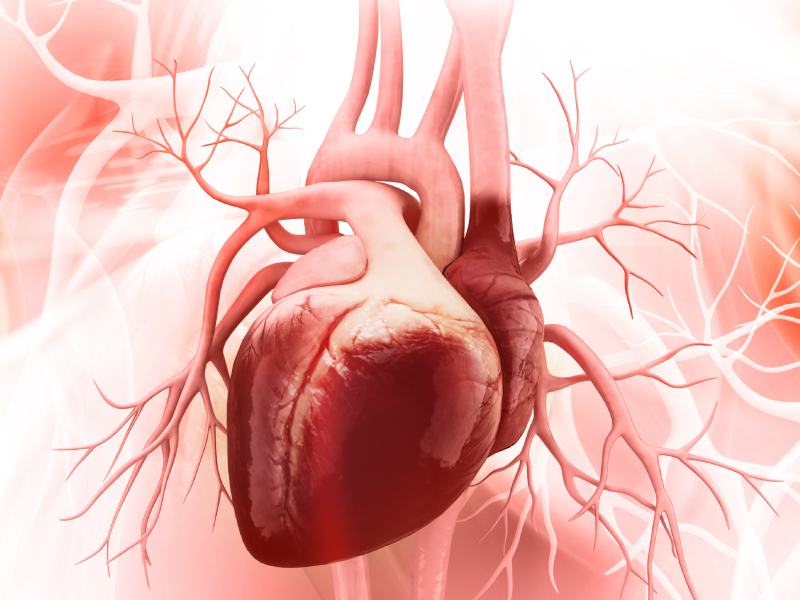

Here’s how many years you could gain by keeping heart disease at bay

This article was originally published on heart.org. View the original article by clicking here.

Heart disease is the nation’s No. 1 cause of death, killing about 650,000 people every year. Life expectancy is cut short by the disease and the health problems that stem from it. But by how much – and what can people do to take those years back?

For heart attacks alone, more than 16 years of life are lost on average, according to American Heart Association statistics. Researchers estimate people with heart failure lose nearly 10 years of life compared to those without heart failure.

“In the past few years, there have been tremendous gains in reducing cardiovascular disease and increasing life expectancy, but we’ve hit a plateau,” said Paul Muntner, an epidemiologist at the University of Alabama at Birmingham.

Some people are at greater risk than others.

African Americans, for example, are more likely to have high blood pressure, obesity and diabetes, and they live 3.4 years less than their white counterparts. Among the six largest Asian American subgroups, research shows Asian Indian, Filipino and Vietnamese populations lose the most years of life to heart disease – up to 18 years for some – compared with white people.

The risk of early death also is high for people with a history of diabetes, stroke and heart attack. Reporting in the Journal of the American Medical Association in 2015, researchers found people with all three conditions had their life expectancy cut by 15 years compared to those without any of the health problems. Even having just two of the conditions reduced life expectancy by 12 years.

But there is hope.

2012 study found non-smokers without diabetes who had optimal cholesterol and blood pressure lived an average of 14 years longer than people with two or more of those risk factors.

“Applying a healthy lifestyle, even taking a small step, like a brisk 30-minute walk five times a week, can add up to a longer life,” said Yanping Li, a senior research scientist at the Harvard T.H. Chan School of Public Health.

Li led a recent study showing women who adapted a healthy lifestyle could expect to live 14 years longer than those who didn’t, while men would have 12 additional years of life.

“The healthier lifestyle, the longer life expectancy,” Li said.

“Even modest changes have been shown to reduce cardiovascular risk by 20% to 30%,” Muntner said. “If we can just shift the curve a little bit, there will be incredible gains in terms of life expectancy as well as reducing cardiovascular risk.”

Great strides have been made in the past 50 years, Muntner said. Far fewer people develop hypertension and high cholesterol, and many who do are being treated. Rates of obesity and diabetes, on the other hand, are skyrocketing.

“We have a long way to go, but I think we can do it just based on what we’ve seen in the past,” Muntner said. “It’s not just about living longer. Preventing heart disease and strokes will also lead to a higher quality of life.”


View Full Article


Cascade Training provides certification training for individuals and organizations as well as compliance and safety solutions. Each year, Cascade trains over 100,000 people, equipping them with the skills necessary to provide healthcare in various situations. Contact us to learn about the certification classes we offer, or click the button below to find classes near you today!

About Cascade Training Centers

Cascade Training Center is an authorized provider of American Heart Association, Emergency Nurses Association, American Academy of Pediatrics, American Academy of Family physicians and many other healthcare and workplace safety curriculums.

Since 2002 Cascade has provided individuals, healthcare organizations, public safety agencies and corporate entities with resuscitation, safety and compliance solutions from the most basic workplace safety class to the most advanced healthcare resuscitation programs.

Our training network currently credentials over 100,000 individuals per year through active training programs in all 50 states and eight strategically located Training Centers in California, Oregon, Washington, and Colorado. Whether you are an individual looking for a specific certification class or a multi state organization looking for a total education and compliance program, Cascade has a patient care focused and cost effective solution for you.

In addition to customized training and compliance programs, Cascade offers over 25 nationally validated certification courses. Along with these official certifications, Cascade is accredited by multiple continuing education organizations to provide CE and CME for many courses.

Our company prides itself on its customer satisfaction rating of 4.9 (on a scale of 1-5). Additionally, 90% of all class participants rate their experience with Cascade as “excellent” (99% rate it Good to Excellent).

Cascade Healthcare Services’ mission is “Saving Lives through World-Class Training”, one student and one class at a time, and working with experts to constantly utilize the latest, evidence-based science to improve patient outcomes.

Hello world!

Welcome to WordPress. This is your first post. Edit or delete it, then start writing!